
Learning and
Teaching Hub
“Fostering a culture of teaching excellence and learning
to promote inclusion and academic success.”
The Learning and Teaching Hub is a dedicated Engineering faculty resource for ongoing professional development and communities of practice, instructional consultation and coaching, collaborative learning development, and effective use of learning technology and analytics. Explore the links below to access helpful resources and information.
Spotlight

Time to employ a Mid-term survey?
Mid-term is a great time to pause, listen, and make small adjustments that can have a meaningful impact. Our new On-Demand Module on Mid-term Surveys offers practical guidance for checking the pulse of a course, gathering actionable student feedback, and responding while there is still time in the term.

Making Digital Learning Accessable
Accessible course design benefits every learner. In this LTH blog post, explore how small, proactive choices can reduce barriers, improve course materials, and create more inclusive learning experiences for all students.

Clarifying the Muddiest Points
What are students still unsure about? The Middiest Points Quick Reference Guide introduces a simple active learning strategy for gathering informal feedback, identifying common areas of confusion, and using the next class session to clarify key concepts while they are still fresh.
News and Opportunities
-

Design and Implementation of Interactive Learning with Karl Smith & Kristen Peña
Seminar Description Fostering engagement and collaboration in the classroom is more critical than ever. This seminar explored the Pedagogy of Engagement, focusing on the transformative impact of cooperative and interactive learning. Framed by major shifts in engineering education and principles…
-
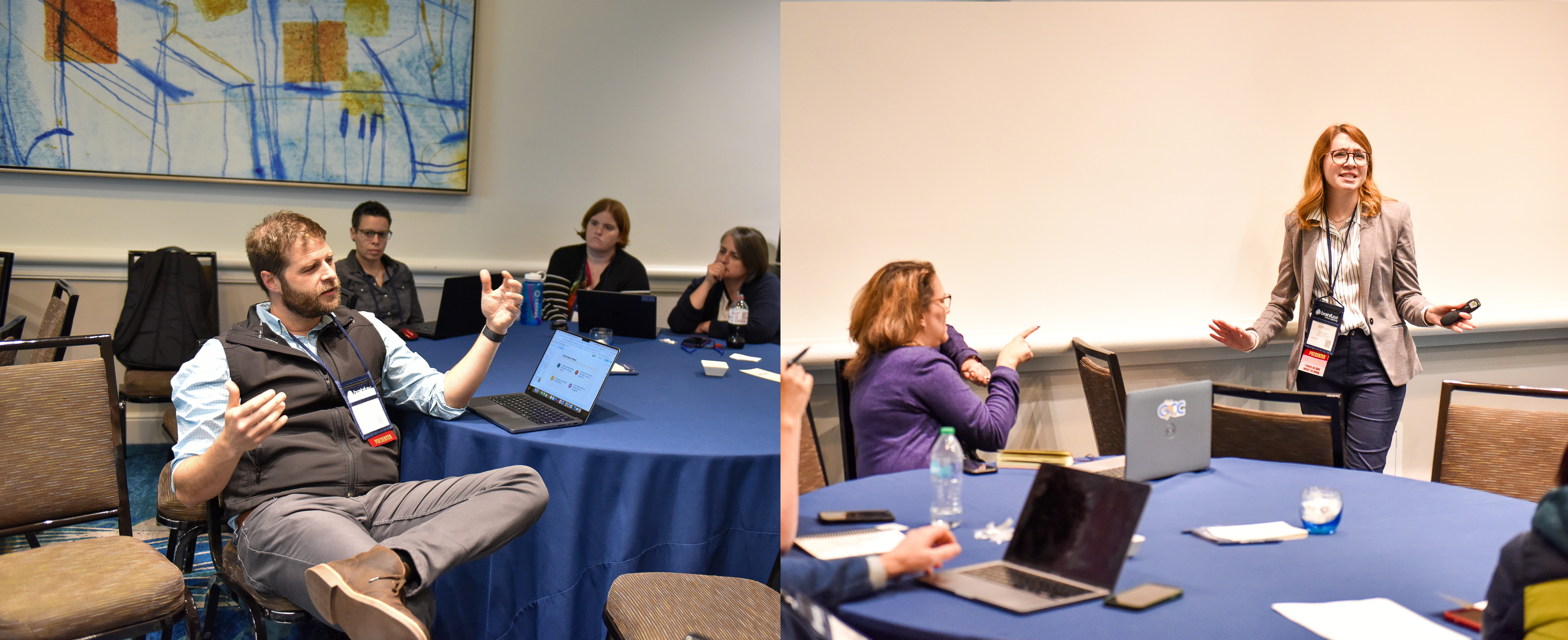
Hub Designers win Best-In-Track at OLC for AI-Powered Instructional Design
Jonathan McMichael and Sue Huffman, Learning Experience Designers at the Learning and Teaching Hub, were awarded the Best-in-Track honor by the Online Learning Consortium (OLC) – a globally recognized leader in advancing quality digital education. Their session, “AI Design Challenge:…
-

Academic Innovators: Ryan Milcarek and Joshua Wilbur’s Virtual Labs
Introduction The paradigm shift towards online education has presented distinct challenges for hands-on courses, particularly in fields like Mechanical Engineering. One such course, MEE 491, ‘Experimental Mechanical Engineering’, traditionally relied on physical labs for students to explore fluid flow, heat…
-
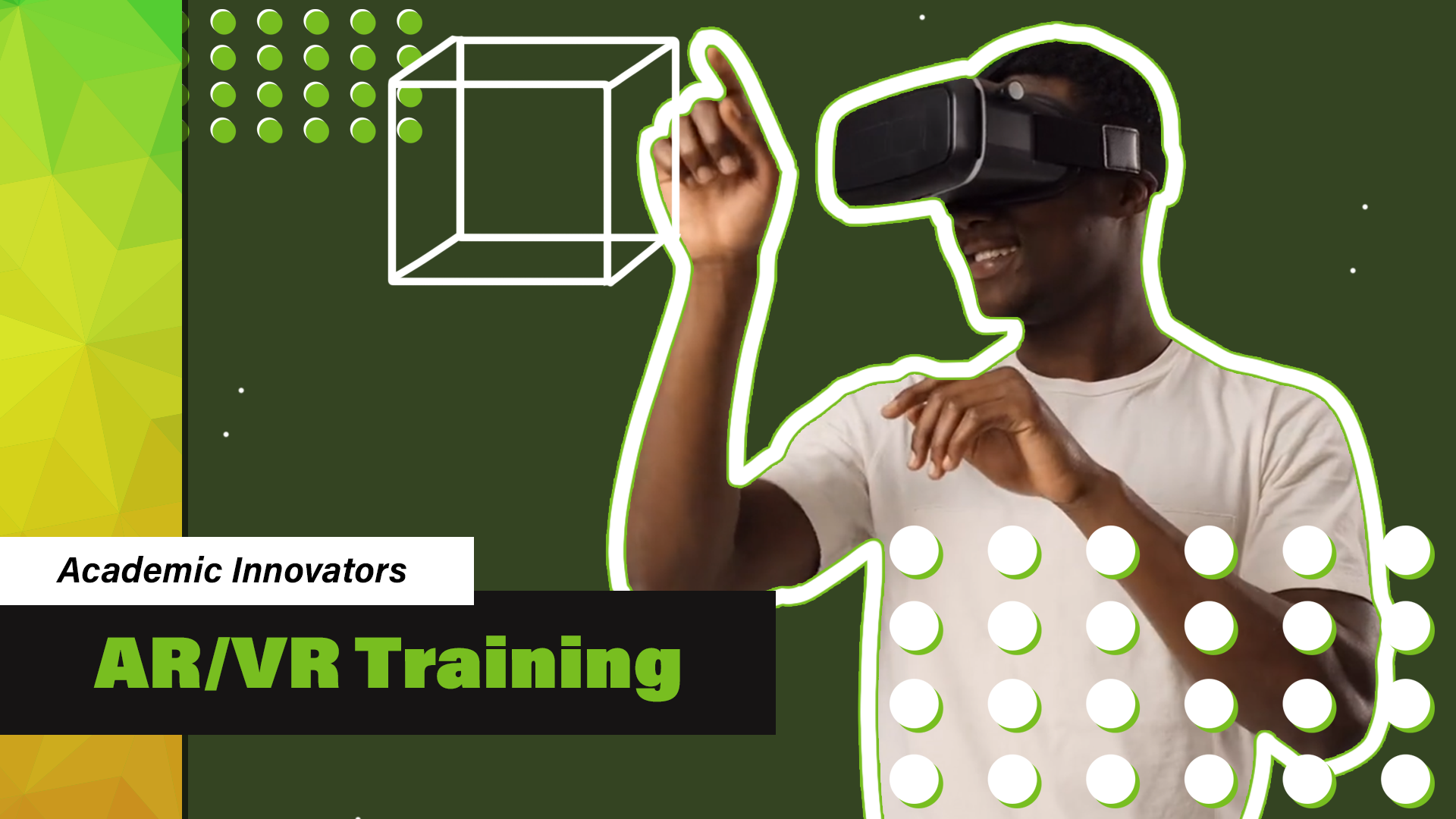
Academic Innovators: Steven Ayer VR Accident Training
Under the leadership of Steven Ayer, Associate Professor of Sustainable Engineering and the Built Environment, a groundbreaking teaching innovation has come to life; where augmented and virtual reality meet engineering education to provide students with accessible, multidimensional, and cost-efficient learning…
-
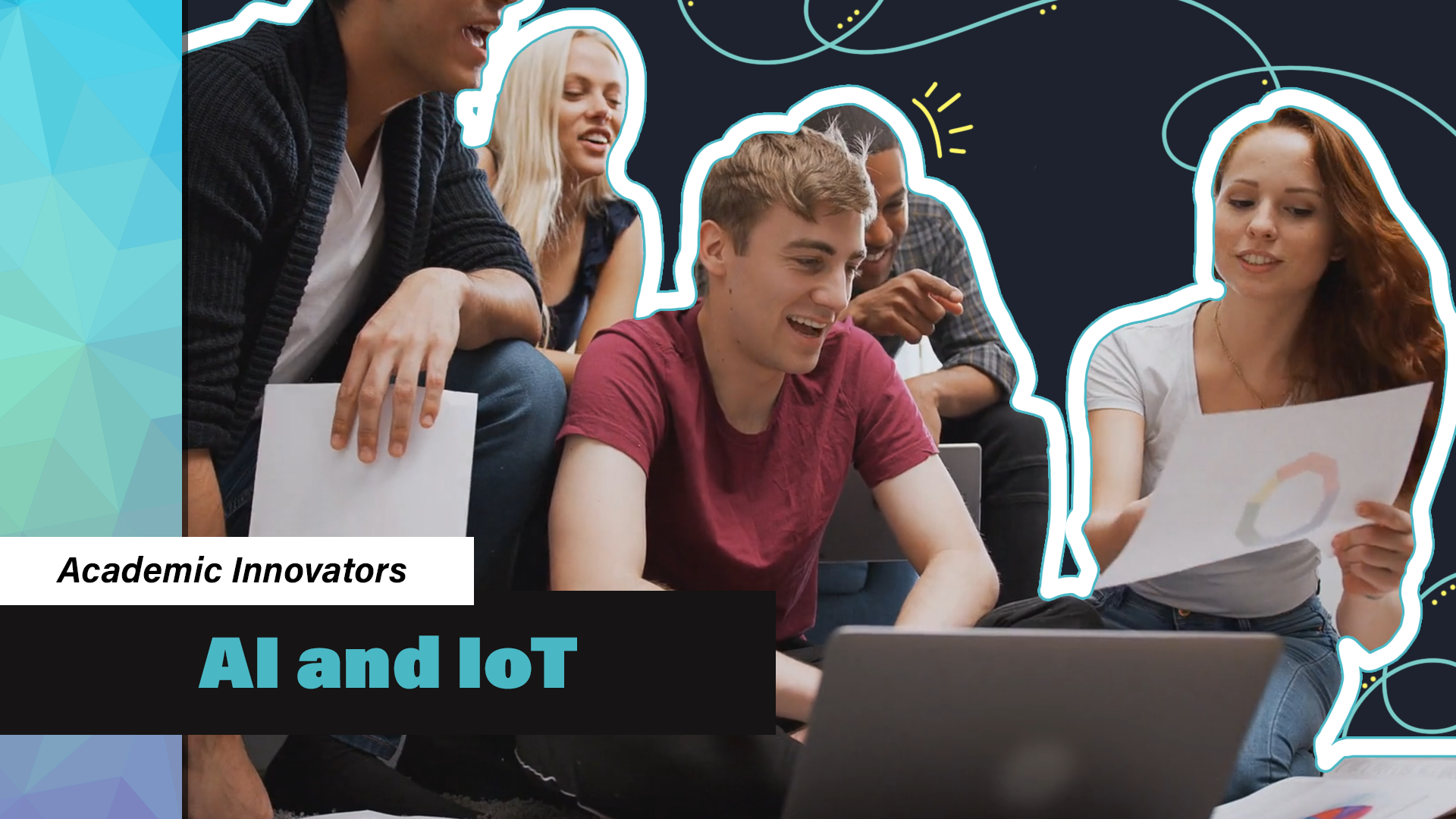
Academic Innovators: Chao Wang’s MATLAB story
Introduction to Faculty Chao Wang, an associate teaching professor in Academic and Student Affairs within the Ira A. Fulton Schools of Engineering, is transforming the way engineering students learn at ASU. As part of her Introduction to Engineering course, Wang is incorporating…


